Reflecting on Part II of School: The History of American Public Education
The main takeaway that I received from Part II, was that this was a time of transformation in the public education system prompted by the rise of the early 20th-century Progressive Education Movement. Led by figures like John Dewey, progressive educators advocated for hands-on activities, and experiential learning, challenging traditional methods. During this time there were also curriculum shifts, towards more practical subjects, such as vocational education and home economics, to better prepare students for their future. Unfortunately, during this time there was still a gap between race and gender regarding what kids were learning, meaning that this period only perpetuated the educational inequity between different genders and races.

Who does school benefit and who does it fail?
Who does school benefit?
- The Privileged
- Students from privileged backgrounds: Schools typically benefit students who come from socio-economically privileged backgrounds this is because these students tend to have access to better resources, educational support at home, and opportunities for extracurricular activities
- Public Schools in Privileged Areas: Not only students but when public schools are formed in privileged areas, the teachers and resources will, as a result, be privileged as well
- Those with Access to Quality Education: Students attending schools with hand-selected and well-trained teachers, consistently updated resources, and supportive/encouraging administration are more likely to benefit from their education
- "By relying largely on property taxes to fund schools, which can vary widely between wealthy and poor areas, districts create funding gaps from the word go. Affluent areas end up with well-funded schools and low-income areas end up with poorly funded schools. District sizes also distort funding levels. Predominantly white districts are typically smaller, yet still receive 23 billion more than districts that are predominantly students of color, according to a recent EdBuild study. " (School of Education)
- A Specific Type of Student
- High Achievers: School systems reward high achievers through academic recognition, scholarships, and access to advanced placement programs
- Structured Learners: Students who thrive in structured environments benefit from the organization and routine of traditional schooling, often excelling in environments with clear guidelines and expectations
Who does school fail?
- The Low-Income
- Students from Low-Income Backgrounds: School systems often fail students from low-income backgrounds due to lack of resources, inadequate funding for schools in impoverished areas, and limited access to educational opportunities outside the classroom
- "The current funding approach across most of the nation leaves schools serving low-income and minority students at an inherent disadvantage. Despite additional funding from states meant to offset these differences, the budgets of low-income districts typically fall very short of reaching anything comparable to that of their wealthier neighbors. According to the Education Trust’s analysis “Funding Gaps 2018,” school districts with the greatest concentrations of black, Latino or Native American students receive around $1,800 less per student than districts educating the least students of color. Between low-income and high-income areas, the funding difference is $1,000 per student." (School of Education)
- Non-English Speakers
- Non-Native English Speakers or Immigrants: Language barriers can hinder the educational experience for non-native English speakers especially immigrants if schools don't provide adequate English language learning support or culturally sensitive resources
- "A study of LAUSD middle schoolers found 30 percent of students learning English had not gained language proficiency by eighth grade, although most had been in the English learning program since kindergarten. Of those who remained in English classes in high school, almost half dropped out and only 6 percent passed the state high school exit exam." (Daily Breeze)
- Students with Different Learning Styles
- Students with Learning Disabilities or Special Needs: Numerous educational institutions face challenges in adequately meeting the needs of students with learning disabilities or special needs. These students might not receive the personalized attention and support essential for their academic achievement.
- Non-Conventional Learners: Students who do not excel in conventional classroom environments or possess diverse learning styles may encounter difficulties within the inflexible framework of numerous educational systems. This includes individuals who are kinesthetic or visual learners, as well as those with non-traditional interests or talents.
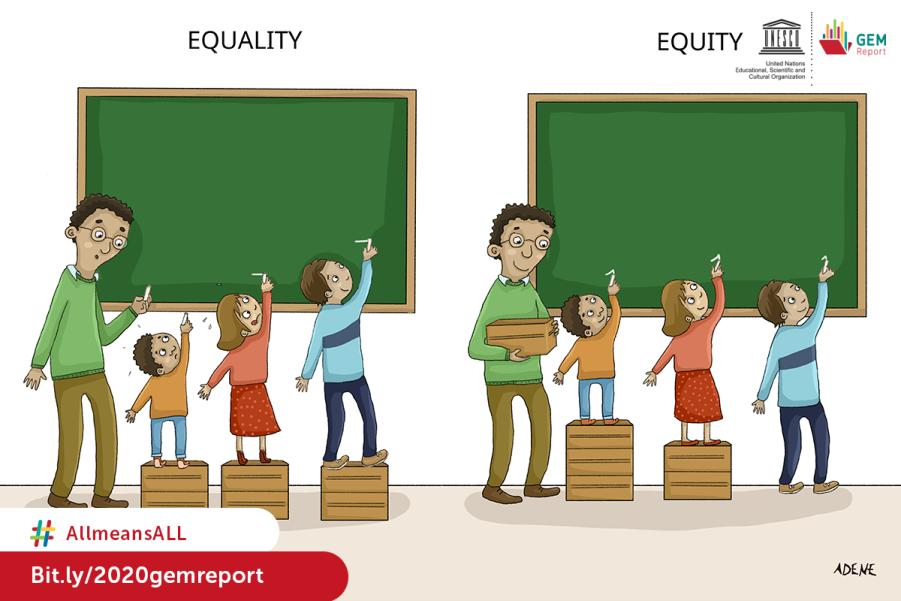
So: How do we educate all children?

By addressing the following causes:
- Funding Disparities: Unequal distribution of resources and funding across school districts leads to disparities in educational quality and opportunities.
- Standardized Testing Culture: Overemphasis on standardized testing can limit the focus of education to rote memorization and test-taking strategies, neglecting critical thinking skills and holistic learning experiences.
- Lack of Diversity in Curriculum: Some school systems fail to include diverse perspectives in their curriculum, which can alienate students from marginalized communities and perpetuate stereotypes.
- Inflexible Education Models: One-size-fits-all education models do not cater to the diverse needs of students, leading to disengagement and underachievement.
Ensuring the education of all children necessitates a comprehensive approach that acknowledges the varied needs and obstacles they encounter. Equitable funding and redistribution of resources ensure that schools serving children from economically disadvantaged backgrounds receive adequate funding to provide quality education. A curated inclusive curriculum not only makes all students feel valued and respected but it exposes other students to diverse cultural backgrounds, experiences, and perspectives. Applying a variety of education models allows all students to find a learning style and method that allows them to succeed when approaching information that is presented to them. Provide individual support to students who may have special needs, a learning disability, or English as a second or third language. Offer extensive support services within educational institutions, encompassing healthcare, counseling, nutritional aid, and after-school programs, to cater to the complete needs of both students and families. Provide educators and school personnel professional growth opportunities centered on equity, cultural proficiency, trauma-informed methodologies, and mitigating implicit biases. Lastly, encouraging and cultivating collaboration among teachers to exchange optimal approaches, assess student data, and devise methods for enhancing instruction and personal student success.
Comments
Post a Comment