Reflecting on Part IV of School: The History of American Public Education
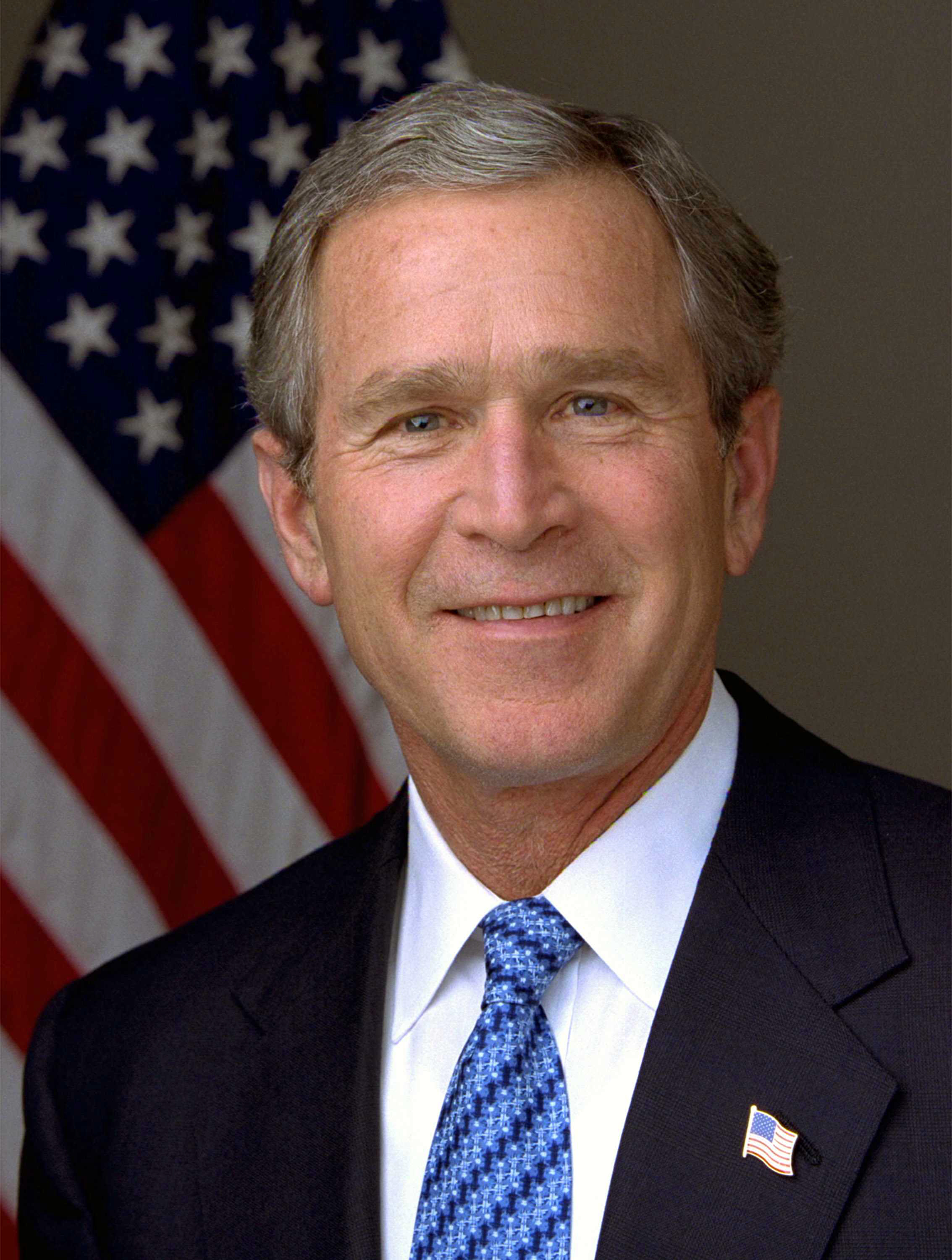
The main takeaway that I received from Part IV, was that this was a time of self-assessment and introspection for the American Public Education system. During the 1980s - 2000s, the nation's education system was analyzed, analysis on the curriculum as well as the efficacy of the system. Before, they were just trying to work on creating what they perceived as the best curriculum. However, as time passed they were able to see the efficacy of the curriculum and they realized the public education system needed some serious quality enforcement. One way that this was targeted, was by introducing choice. By opening different schools with different specialized paths, natural competition formed which was intended to encourage public schools to up their quality. Important to note though, if taken too far, this method just turns education into a market which is also not the goal. Presidents like Ronald Reagan and George W. Bush advocated for educational reform and pushed for high standards.

So: Does school choice improve public education?
When initially looking at this question, my response would be yes, but to a certain extent. Here's why I think that: I believe that introducing healthy competition to encourage an increase in quality public education could and should work. On the other hand, many also are concerned that introducing more schools doesn't entirely address the root of the issue which is, the lack of quality public education. Due to the previous history of White flight for two decades prior, leaving schools stuck with financial and quality issues, there is no question that some may be skeptical of introducing more schools.
Luckily, this question is a widely researched and studied topic. So, after doing some research I repetitively found that school choice does actually improve public school education.
A majority of the effects that charter schools have on public schools in the vicinity seem to be positive. In fact, research on competition from private school choice in the vicinity of public schools is even more positive.
Check out the results of a recent study:
"One of the most compelling recent studies, by David Figlio, Cassandra M. D. Hart, and Krzysztof Karbownik, examined Florida’s massive tax-credit scholarship program over the course of fifteen years and found positive competitive effects on both academic outcomes and student behavior. The more competition that schools faced, the greater the impacts. The impacts overall were modest: less than 1 percent of a standard deviation each year. But year after year, those impacts added up, especially for the most disadvantaged students in the schools facing the most competitive pressure" (Fordham Institute).
So, overall, both before and after my research I wholeheartedly believe that school choice ultimately, benefits public schools by encouraging healthy competition and therefore an increase in the quality of education.

Comments
Post a Comment